Blog
Butch Was Taught ‘Country Courtesy’
Back in the day, most kids were taught to be courteous and exhibit good manners by their parents and grandparents. This behavior was also reinforced at school and in church. For instance, I was always taught to hold a door for someone coming in behind me, and in turn thanking a person who did the same for me. Letting someone go ahead of me and order their meal in a restaurant is another courteous habit that I picked up early on. If the seats are full in the waiting area, and an older person, someone with a small baby or a woman comes through the door, I offer my seat. It’s just the right thing to do.
There are several other ways to be polite and courteous. If I am in a large group and I see someone who may be standing alone and appears to be shy or nervous, I often go up to them and begin a conversation to make them feel more at ease and accepted. If I meet someone for the first time, I listen attentively, without interrupting, and try to remember things about that person in case we meet again. When discussing politics or other controversial topics, I also listen to their views, regardless of how I feel about the same topic. Sometimes that is very difficult to do!
As a librarian, I am around people all day. I enjoy discussing just about anything and everything, especially shared interests. The Dale family members, for the most part, have always been “talkers.” We also tend to use a lot of humor and tell stories to break the ice and make people feel more comfortable. We never hesitate to pull a few practical jokes on people, too, and most people enjoy being kidded. I try to compliment others, especially if I believe they could use it.
In rural Indiana, most people say hello and greet people, even strangers. If the other person does not respond, I just make a mental note not to take it personally. I always wave to other drivers who pass me going in the opposite direction, even if I have no idea who they are, and most of the time they wave back. Saying “please” and “thank you” is also standard procedure here. One thing that I enjoy doing is helping older people, or disabled people, at the supermarket. Last week I helped two people at Wal-Mart who could not reach items that were stacked too high for them to reach. Both expressed many thanks for just that simple gesture. Recently, while shopping in Lafayette, I noticed that an older lady had a large package in her cart as she stopped behind her car. I offered to help place the package in the trunk. She looked at me almost in disbelief at first, and after I was done, she thanked me two or three times.
One thing that I have always done occurs almost daily when I am driving to or from work. If I see someone coming up from behind my car at a greater speed, I slow down and pull over slightly to allow them to pass. And if I get behind someone who is driving more slowly than me, I usually just slow down and not try to pass them, especially if I know who they are. Doing so might indicate impatience. And after all, I am no hurry to get somewhere.
I am not sure why a few people are not polite and courteous, but I suspect their parents just didn’t take the time to instill that behavior in them when they were growing up. Perhaps it is because fewer children attend Sunday School and church nowadays. They might not have heard of the Golden Rule . . . “treat others the way you would like to be treated.” Many people are shocked when another person is nice to them without wanting anything in return. Being nice to others is contagious, and it helps to build good relationships, and as a plus, it can boost one’s self-esteem and put you in a good mood. I know I always feel better.
I will say that most everyone here in our rural county are nice and friendly, use good manners, and enjoy helping others. In the very large cities . . . maybe not so much. No matter where you live, “country courtesy” is always a good thing!
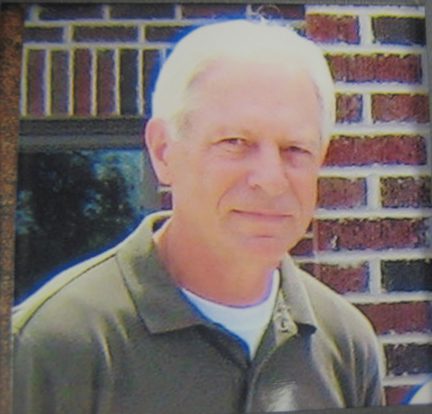
John “Butch” Dale is a retired teacher and County Sheriff. He has also been the librarian at Darlington the past 37 years, and is a well-known artist and author of local history.